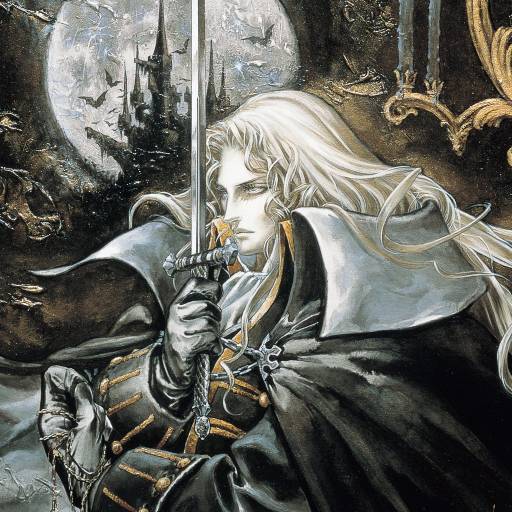
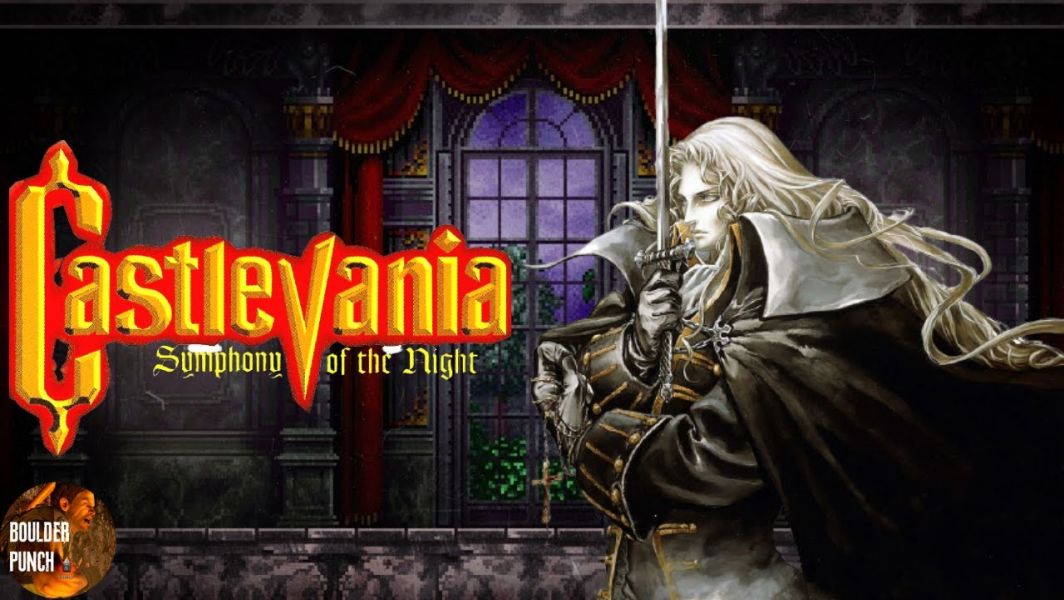
Castlevania: Symphony of the Night, often abbreviated as SotN,
is a critically acclaimed action-adventure game developed by
KONAMI. Released in 1997, it is a pivotal entry in the
long-running Castlevania series, known for its groundbreaking
gameplay mechanics and atmospheric presentation. SotN marked a
departure from the series' traditional linear level design,
introducing a more open-ended structure and RPG elements that
have since become hallmarks of the "Metroidvania" subgenre.
Gameplay
Mechanics
1. Exploration and Non-linear Gameplay:
Unlike
the previous Castlevania games, SotN embraced a non-linear
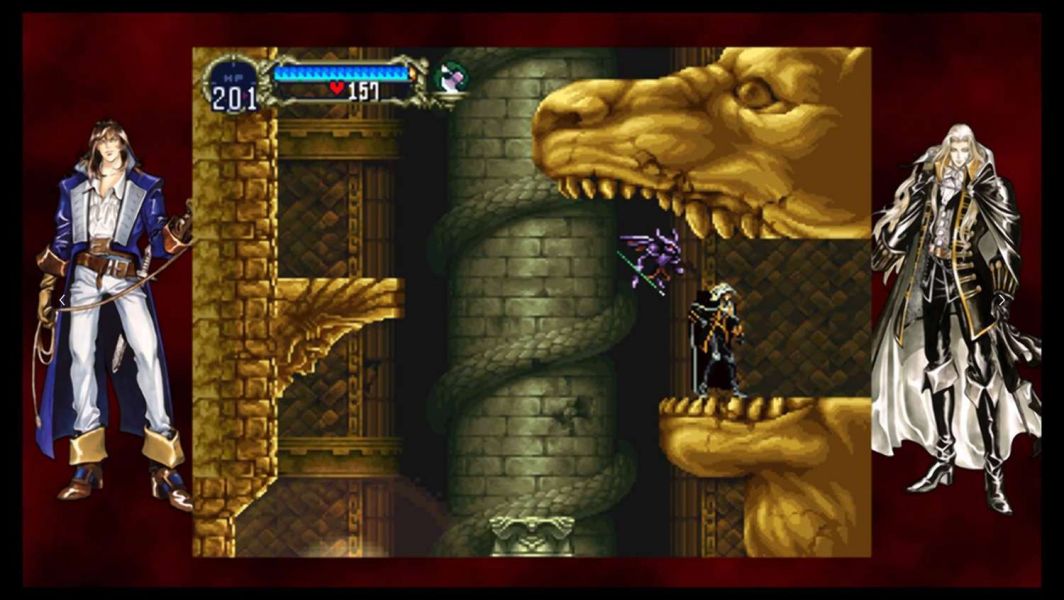
approach to gameplay. Players assume the role of Alucard, the
half-human, half-vampire son of Dracula, as he navigates through
the eerie castle. The game's expansive map is interconnected,
allowing players to backtrack and discover new areas as they
acquire new abilities and items.
2. RPG Elements:
SotN
introduced role-playing game (RPG) elements, enhancing the
experience with character growth and customization. Alucard
gains experience points (XP) by defeating enemies, eventually
leveling up and becoming more powerful. Players can also equip
various weapons, armor, and accessories to enhance Alucard's
stats, enabling strategic customization to suit different
playstyles.
3. Magic and Relics:
In addition to
traditional weapons like swords and whips, Alucard can cast
spells and use a wide array of special abilities. These magic
spells consume mana, adding an extra layer of tactical
decision-making to combat. Relics, special items with unique
effects, further contribute to gameplay variety, enabling
creative approaches to challenges.
4. Familiars:
Familiars
are loyal companions that aid Alucard in his journey. These
creatures possess unique abilities and can assist in combat or
provide utility, enhancing exploration and battles. Players can
strategically choose familiars to complement their preferred
playstyle.
5. Shapeshifting and Transformations:
One
of the standout mechanics in SotN is Alucard's ability to
transform into various creatures, each with distinct abilities.
These transformations range from a wolf for increased mobility
to a bat for flight, and even a mist form for evasion.
Shapeshifting not only grants access to hidden areas but also
adds depth to puzzle-solving and combat.
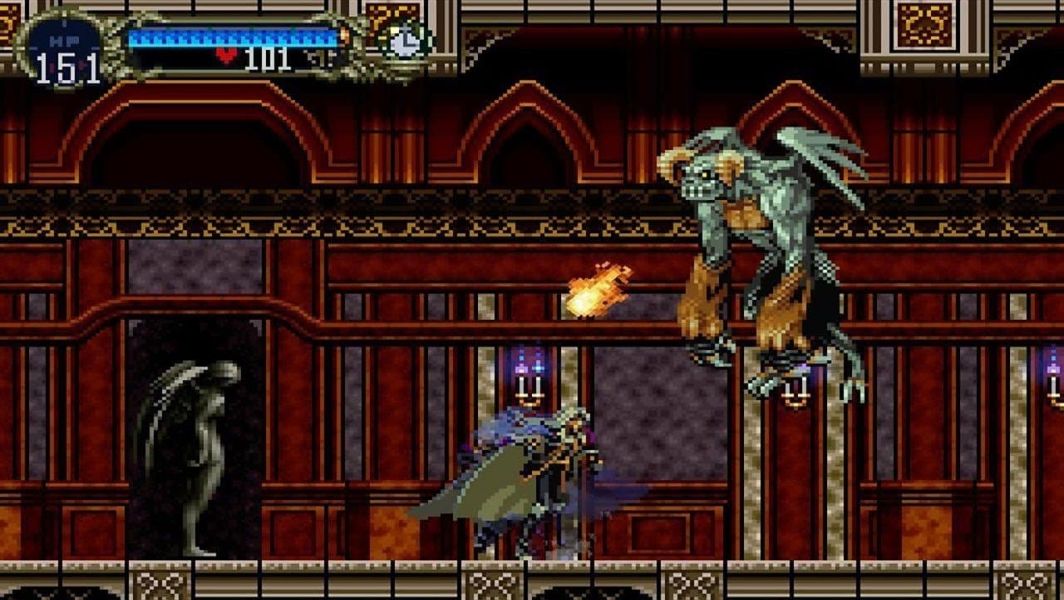
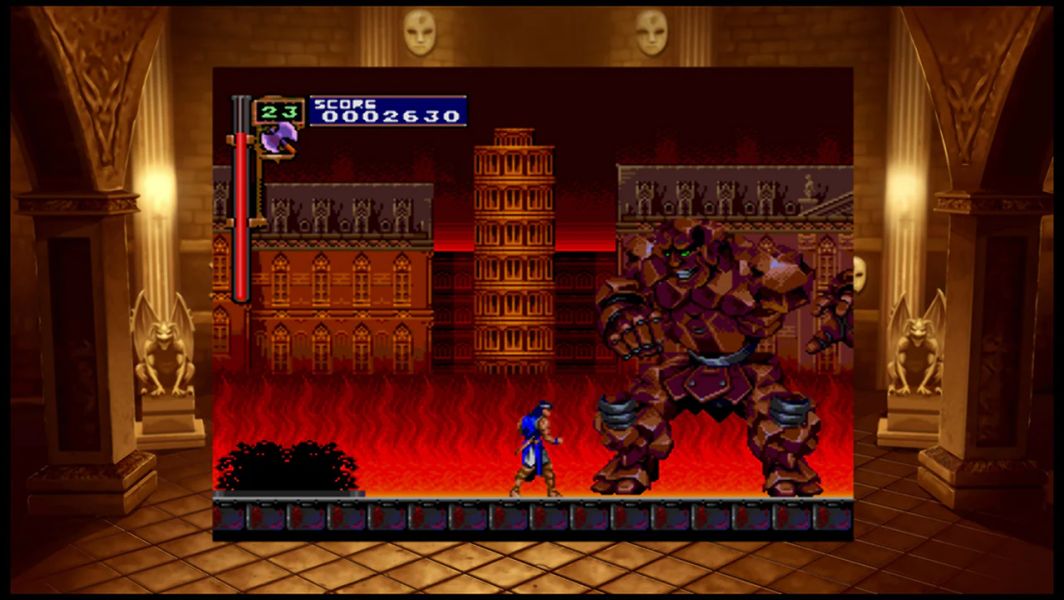
6. Boss
Battles:
SotN features a memorable lineup of boss battles,
each demanding unique strategies and showcasing the game's
tactical depth. These battles test players' skills and often
reward them with valuable items, relics, and progression.
7.
Atmospheric Presentation:
The game's visuals and sound
design contribute to its immersive atmosphere. The gothic art
style, detailed environments, and haunting musical score combine
to create an eerie and captivating world. The castle itself
becomes a character, full of secrets, mysteries, and hidden
surprises waiting to be uncovered.
8. Multiple Endings:
SotN
offers multiple endings based on player choices and actions
throughout the game. These endings range from humorous to
dramatic, encouraging players to replay the game to explore
different narrative outcomes.

















Reviews
Scarlett
The operation can be optimized a little more, you must press to the position to do the action, the circle is too small and does not give the extra range, but also added an automatic archive is still good, but can play the original version on the phone is not the psp version of the optimization and good has been very happy.
Austin
The virtual direction of the touch screen design is not good operation, is a separated 4 direction button.
Ruby
The psp version of the port, no need to pass directly can open the lucky mode, is the city directly can brush the skull ring, shortcut skill key is very good, is no Chinese, handle also did not find can use.