Plague Inc. is a strategy simulation game developed by Ndemic
Creations, which has quickly attracted a large number of players
worldwide with its innovative gameplay and deep social
significance since its first release in 2012. In the game,
players take on the role not of heroes, but of challengers, with
the goal of creating and spreading a deadly pathogen capable of
infecting and wiping out all of humanity. This anti-conventional
setting makes Plague Inc. unique in the field of strategy
games.
Plague Inc. is set in a virtual global environment
where players take on the role of a biological weapons developer
or evil scientist who gradually infects populations around the
world by designing and releasing a new pathogen. At the start of
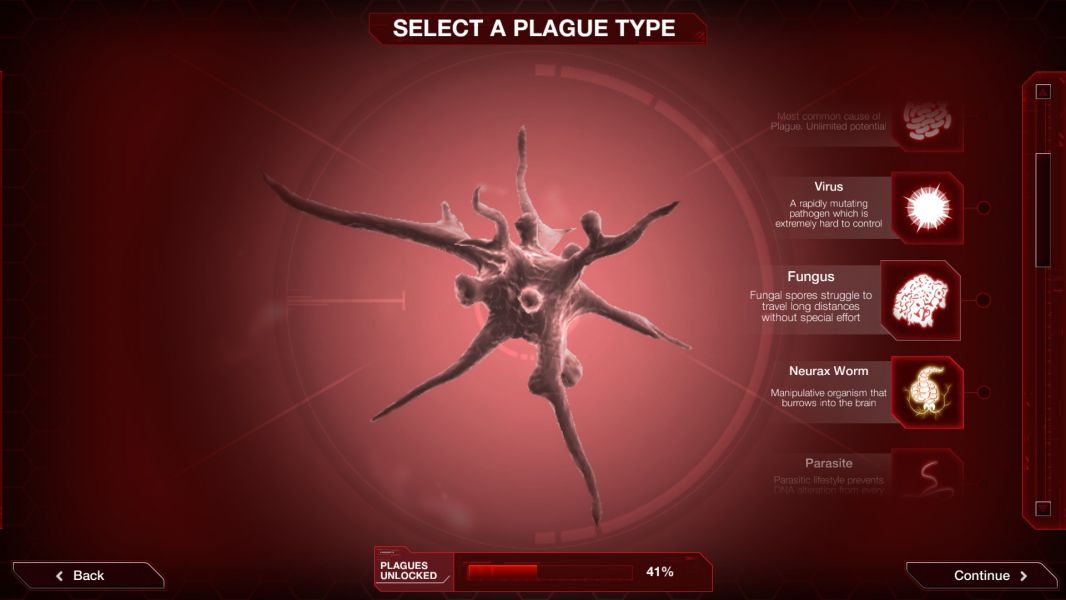
the game, players will need to choose the type of pathogen, such
as bacteria, viruses, fungi, parasites, nanoviruses, etc., each
of which has its own unique properties and evolutionary path.
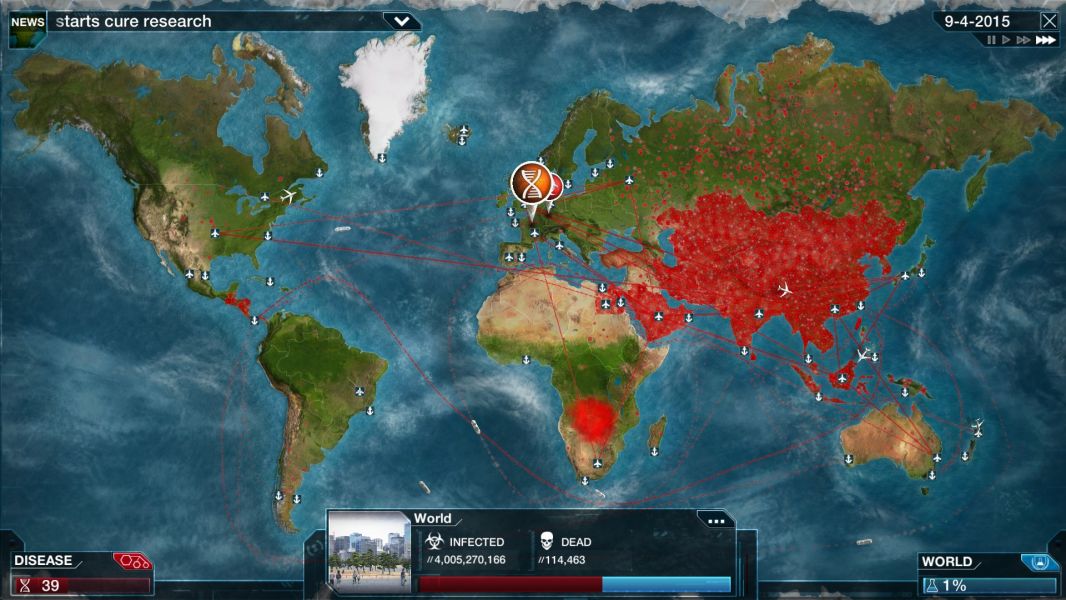
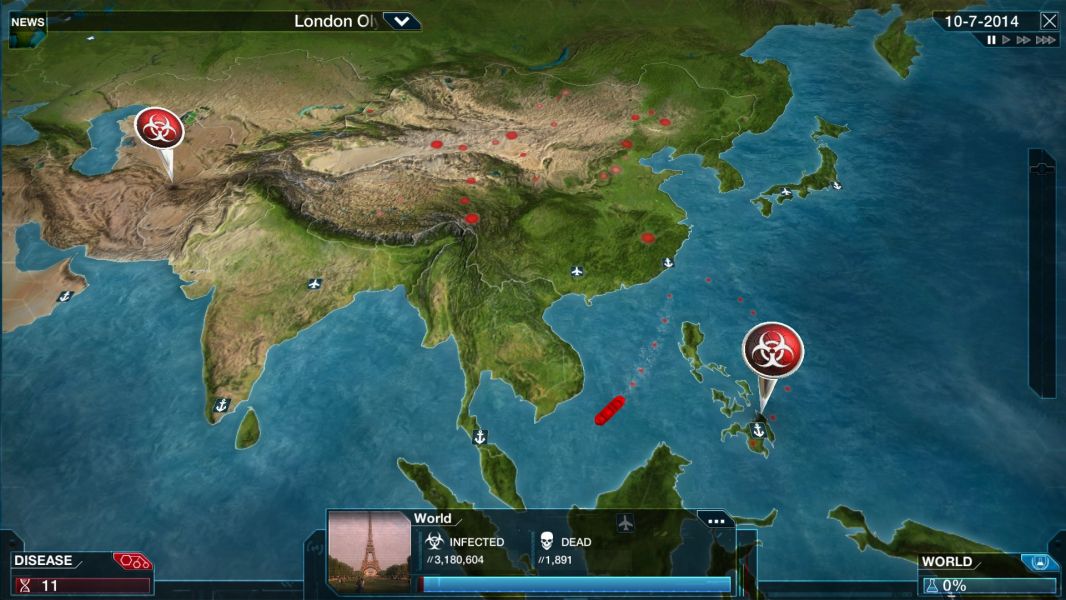
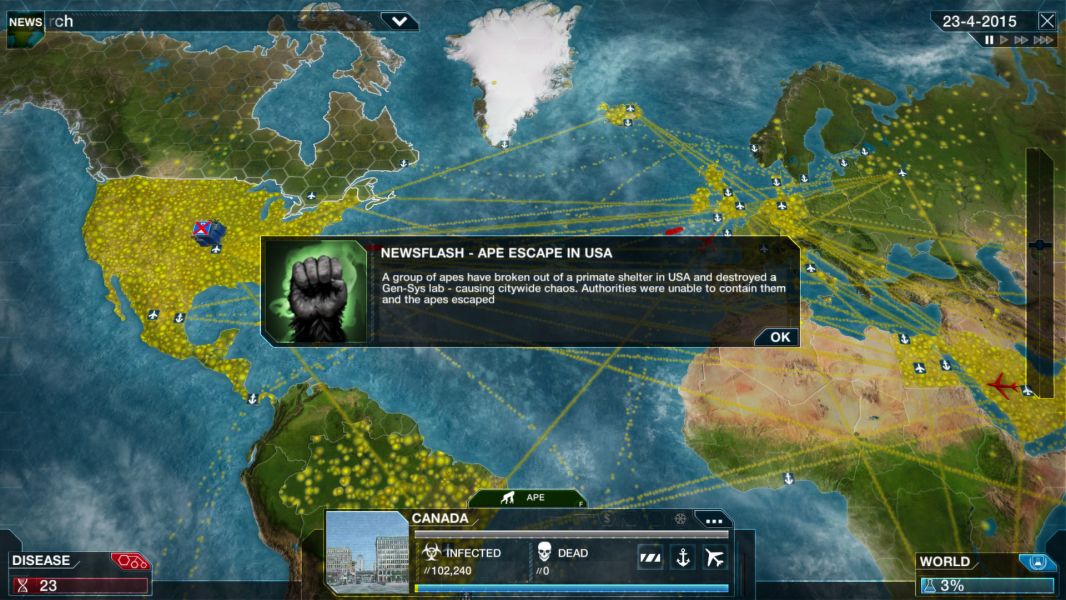
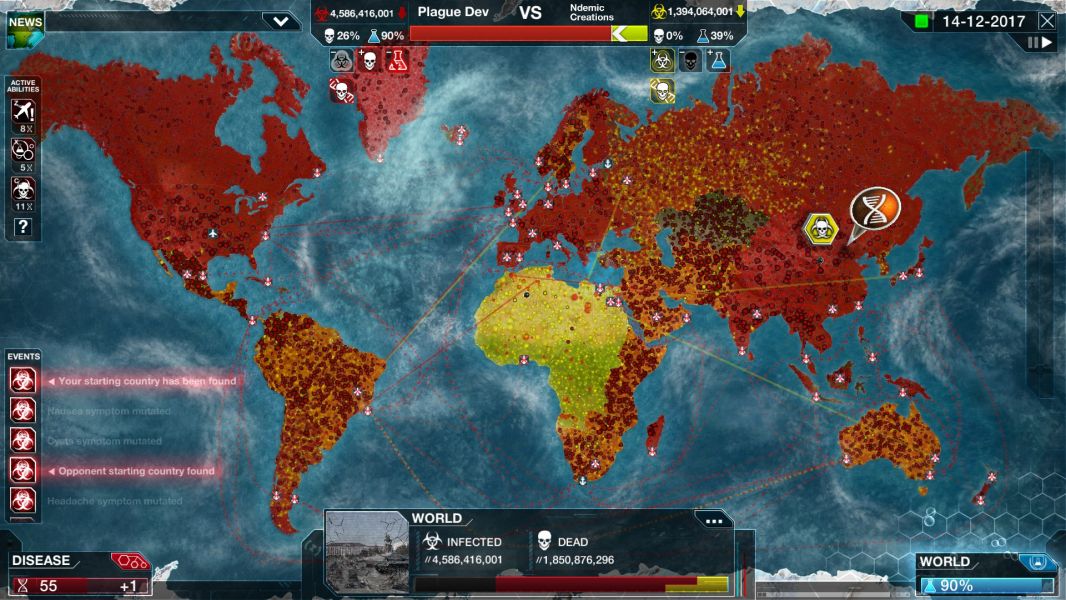
The
game's global map shows real-time conditions in each country and
region, including population density, climate conditions,
transportation networks, and more. All of these factors affect
how quickly a pathogen spreads and its ability to infect.
Players need to take these environmental variables into account
and develop the most effective spreading strategy to ensure that
the pathogen can spread rapidly to every corner.
The core
gameplay of Plague Inc. revolves around the selection and
evolution of pathogens. Players first need to select a pathogen
at the beginning of the game, and different pathogen types
determine the difficulty and strategy direction of the game. For
example, bacteria are highly stable but easy to treat; viruses
spread quickly but are difficult to control their mutations; and
fungi are easier to spread in moist environments but spread more
slowly.
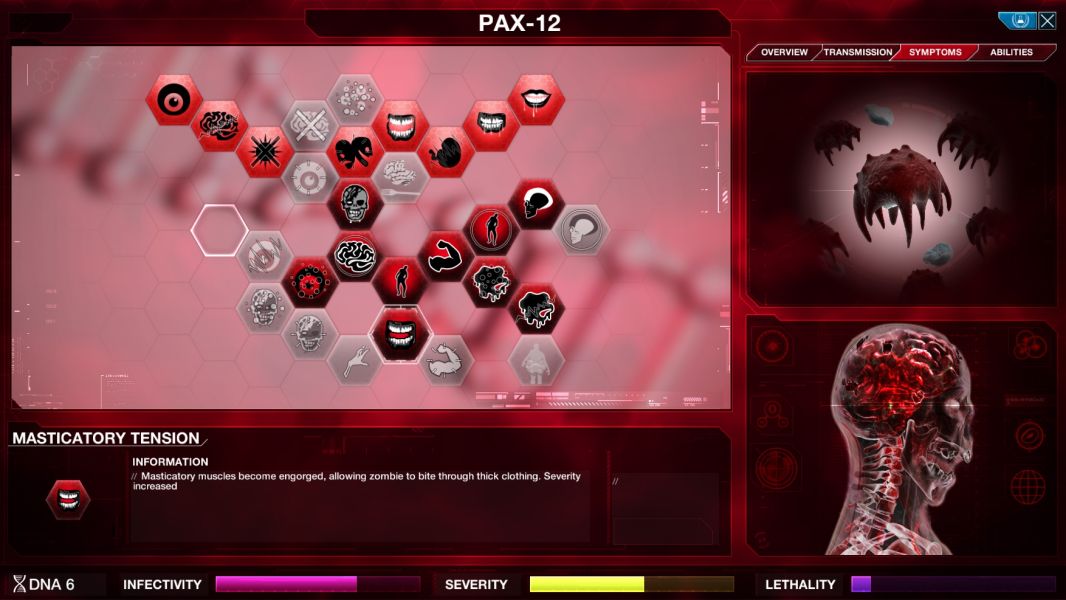
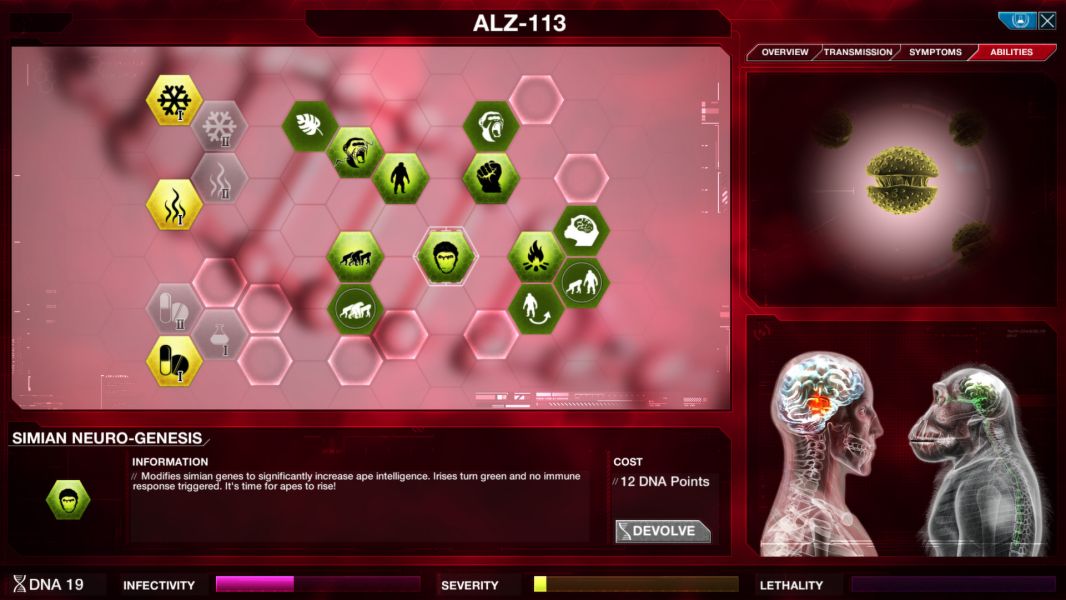
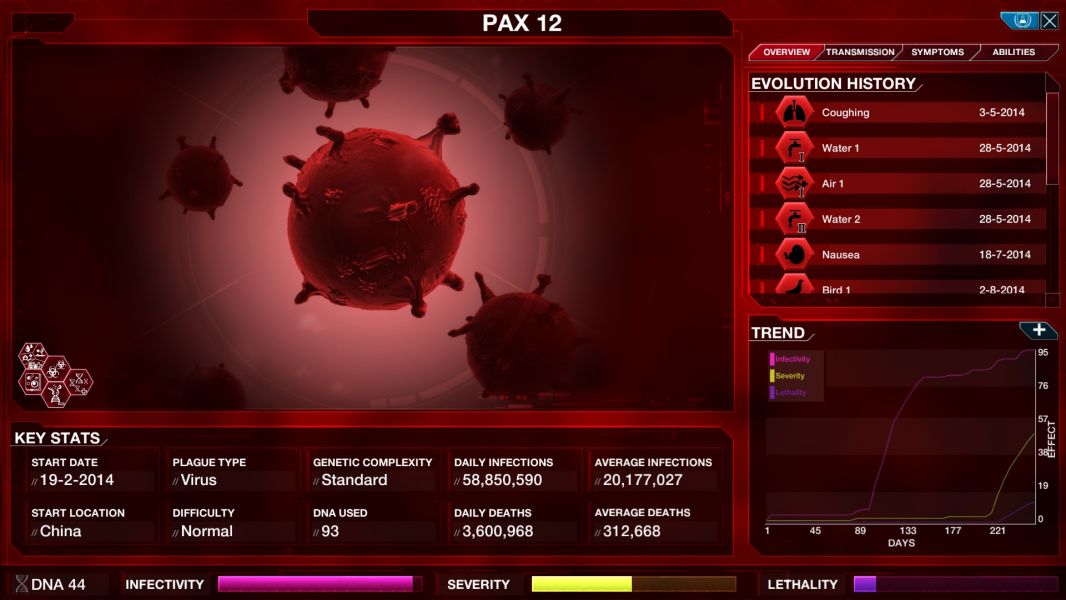
Once a pathogen is selected, the player's task is
to evolve the pathogen's various traits by accumulating DNA
points. These traits fall into three main categories:
transmission routes, symptoms, and resistance. The pathways of
transmission include air, water, animals, insects, etc., and
players can choose the most suitable transmission method
according to the environmental characteristics of each place;
symptoms are the specific effects of the pathogen on the
infected person, the more severe the symptoms, the more lethal
the pathogen is, but at the same time, it is easier to attract
the attention of the world to speed up the development of cures;
resistance to different climates and drug resistance, these
characteristics have a direct impact on the pathogen's health
and safety. Resistance includes adaptation to different climates
and resistance to drugs, which directly affects the ability of
pathogens to survive in different regions.
Over the course
of the game, countries around the globe will gradually realize
the threat of an outbreak and begin to take measures to contain
the spread of the pathogen. These measures include closing
borders, suspending international flights, blocking ports, and
accelerating vaccine development. Players will need to spread
the pathogen as quickly as possible before these defenses take
effect, especially in countries with abundant medical resources
and rapid government response.
Players can adapt their
defenses to different regions by adjusting the pathways and
symptoms of pathogens. For example, when a country closes its
airports and harbors, the player can enhance the pathogen's
animal-spreading capabilities so that it can spread to other
areas via livestock or birds. Additionally, players can use DNA
points to reverse-evolve certain symptoms so that the pathogen
exhibits low lethality in the early stages, thereby slowing down
countries' vigilance and waiting for the pathogen to infect a
larger population before suddenly enhancing its lethality.
The
game's mutation mechanic adds to the randomness and challenge of
the game. Pathogens may randomly mutate during the course of an
infection, creating new symptoms or enhancing existing traits.
Such mutations sometimes help the player to speed up the
infection or increase resistance, but they may also result in
fatal symptoms at untimely moments, leading to early global
action.
In addition, the game triggers a variety of random
events, such as natural disasters, political upheavals, or mass
rallies, which can affect global transportation, sanitation, and
epidemiological protection, providing players with unexpected
opportunities or challenges. For example, an earthquake may
destroy a country's infrastructure, crippling the healthcare
system and increasing the chances of pathogens spreading, while
a major international conference may lead to mass movements of
people, further accelerating the spread of an epidemic.
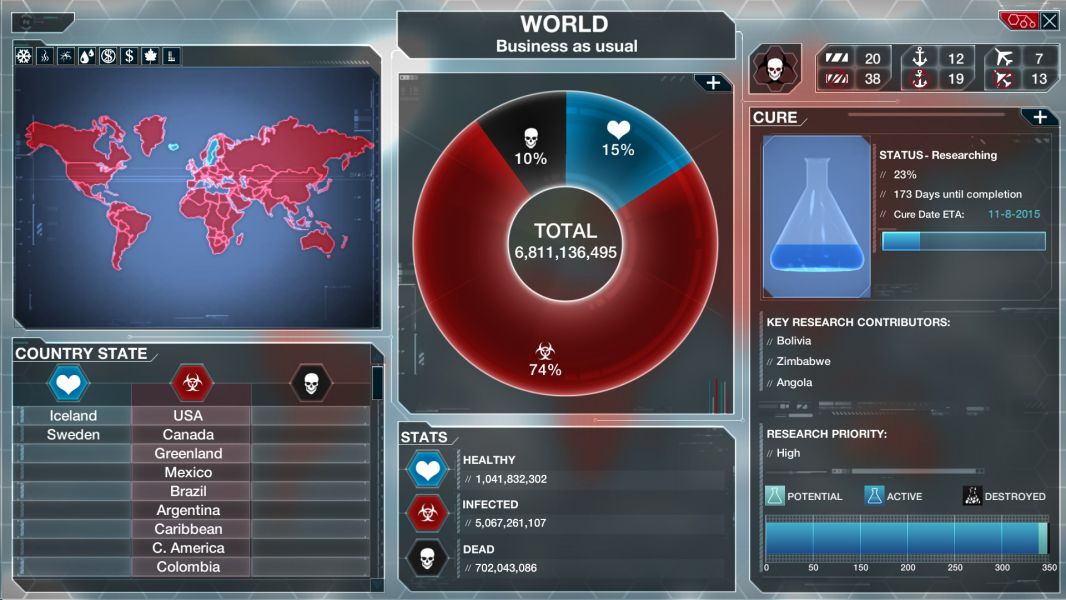
The
player's ultimate goal is for the pathogen to infect 100% of the
global population and kill all infected people. The player will
fail if the global population develops an effective cure before
the pathogen infects everyone, or if a portion of the country
manages to seal its borders and survive.
The game's
difficulty settings are categorized into various modes, ranging
from Easy to Extremely Hard, allowing players to choose the
appropriate challenge for their level. In Extremely Hard mode,
medical systems and epidemic prevention measures around the
world are significantly strengthened, and players must plan
every move more precisely in order to achieve victory.




















Reviews